


What’s the Big Deal About Peonies Anyway?
Apr 10, 2026
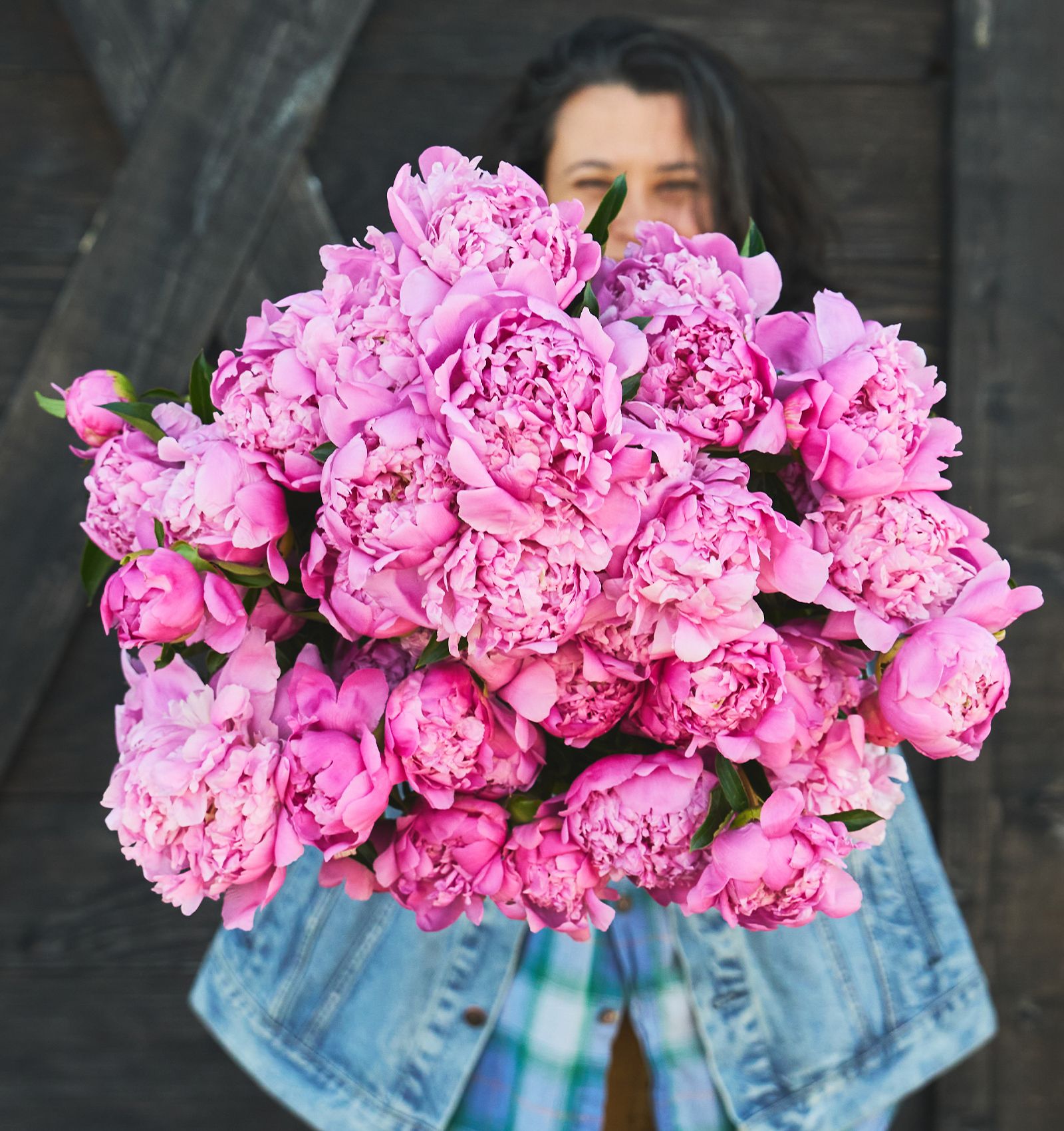
I get asked this a lot, usually in some version of: "Why are peoniessuch a big deal?" Or more directly, "why are they so expensive?"
And honestly, I get the question. On the surface, they’re just a flower. A really pretty one, sure, but still. It’s not immediately obvious why they’ve reached this almost cult-level status.
Until you actually spend time around them.
Peonies are one of those things that don’t fully make sense until you experience them in real life. They show up for a very short window each year, completely steal the show, and then disappear just as quickly. And somehow, that fleeting nature is part of what makes people love them so much. You can’t have them all the time. You have to wait for peony season. And when they finally arrive, they feel worth it.
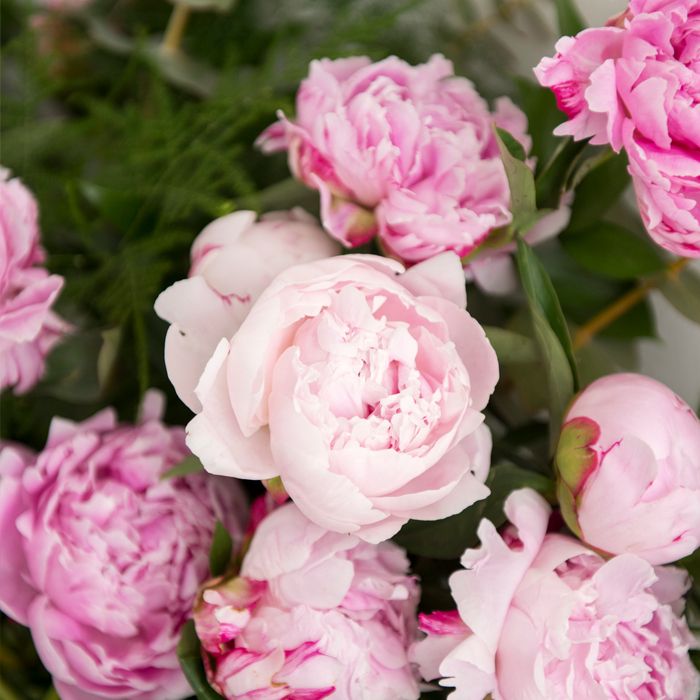
What’s interesting is that I didn’t always feel this way about them. I actually thought they were kind of gross growing up. We had them on the farm in Indiana, and every year they’d be covered in ants crawling all over them because of the sticky sap on the buds. That image is very burned into my brain. My mom still doesn’t really like them to this day, which I now find kind of shocking given where I’ve landed on this.
Because somewhere along the way, I completely flipped.
What I’ve learned over the past 15 years running a flower company is that the flowers people are most drawn to aren’t necessarily the biggest ones—they’re the ones with the highest petal count. There’s something about that fullness, that layered, almost over-the-top texture that people just love. And peonies really deliver on that. When they open, they don’t hold back. They’re full and soft and kind of dramatic in the best way.
And to their credit, there really aren’t bad ones. Unlike some flowers that have a few standout colors and then a bunch you could take or leave, peonies are pretty incredible across the board. Soft blush, crisp whites, deep pinks, corals—every version feels like it has its place.
Once you get a little deeper into them, you realize how big the peony world actually is. There are thousands of varieties—truly more than you would ever expect—and new ones you’ve never seen seem to pop up all the time. There are also three main types: herbaceous, tree, and intersectional (Itoh) peonies. Herbaceous are the most common and tend to last the longest in the vase. Tree and Itoh peonies are more rare, a little harder to grow, and because of that, a lot more sought after.
And then there’s the part that starts to explain the price.
Peonies aren’t an instant gratification flower. You plant them in the fall, and they need a real winter—a proper cold period—to do what they’re supposed to do. But not too much cold, because that can cause its own problems. And then when spring hits and the sun comes out, they go fast.
There’s a very small window where they’re perfect, and when that window opens, everything else kind of stops. You’re out in the field constantly, sometimes harvesting around the clock, trying to catch them at exactly the right stage before they open too far and you lose them. It’s a little bit exhilarating and a little bit stressful at the same time.
And because that window is so short in any one place, you end up chasing peonies around the world to extend the season. From Europe to South America, across the U.S., and even up to Alaska, you’re constantly following where they’re blooming next. It’s a little bit like a moving target that never quite sits still.
And the long game is real. It takes about three years from planting to get your first meaningful harvest. Three years of time, land, and money going in before you really see anything back. But once they’re established, they can produce for decades—sometimes over 100 years—which is kind of incredible when you think about it.
They’re a patience flower. A long-term investment. Not a quick win.
Which is probably part of why I love them as much as I do now.
We planted about 36,000 peonies in Oregon in 2024, and we’re hoping for our first real harvest next year. We’re also growing a few thousand here in Washington now, which has been really special to see up close in a different way. And somehow, even with all of that, we’re already talking about planting more—because once you understand them, it’s hard not to want more of them.
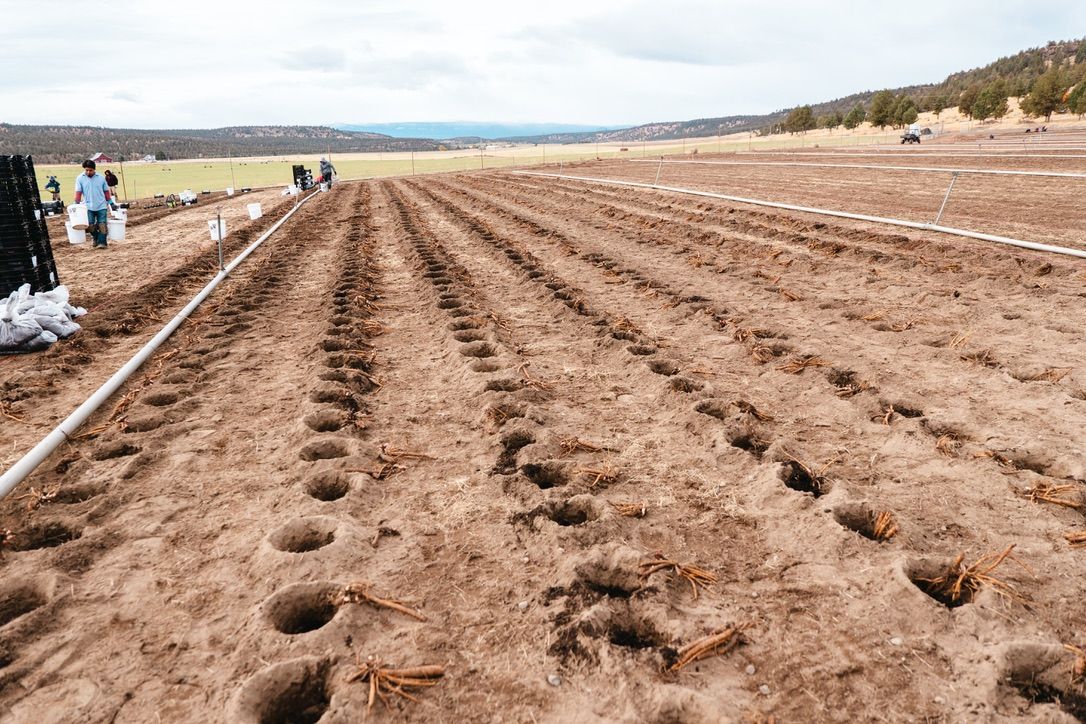
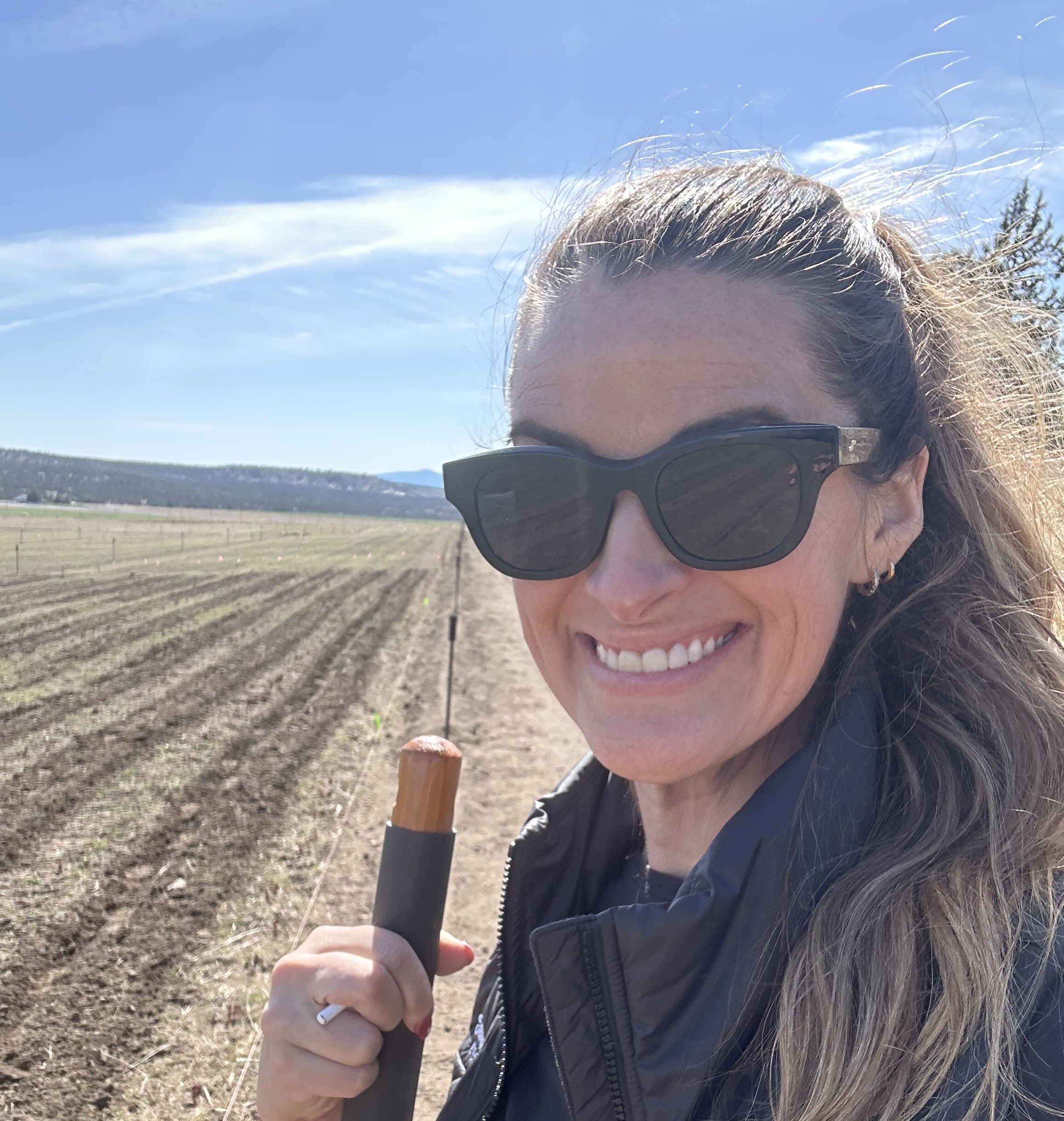
There’s just something about them. Maybe it’s the way they show up so fully and then disappear. Maybe it’s how much work goes into getting them there. Or maybe it’s just that they feel a little more special because you can’t have them all the time.
Probably all of it.
I’m curious—would you ever plant peonies at home if you could? It’s definitely a commitment (and requires a bit of patience), but there’s something really rewarding about being part of that process from the beginning.
We’ve been talking about whether we should offer peony roots in the Fall or plants in the Spring at some point so you could experience it too. No promises yet—but I’d genuinely love to know if that’s something you’d be into.
xx,
Christina
Peony FAQs
Are peonies worth the price?
Yes — and once you understand the growing process, the price makes sense. Peonies require 3 years from planting to first harvest, a precise cold period each winter, and a narrow harvest window that farmers have to catch almost around the clock. They're a long-term investment flower.
What is peony season?
Peony season runs late spring through early summer. Because any single location has a very brief window, growers follow the season across multiple regions — including the U.S., Europe, South America, and Alaska — to extend availability.
What are the different types of peonies?
There are three main types: herbaceous peonies (most common, best vase life), tree peonies, and intersectional or Itoh peonies (rarer, harder to grow, highly sought after). Within those types, there are thousands of named varieties.
How long do peony plants live?
A long time — decades, and sometimes over 100 years once established. They're not a quick win, but they produce for generations.
Are peonies available right now?
It depends on the time of year — peonies have one of the shortest seasons of any flower, and availability moves fast. Check our Peony Shop to see what's in stock at Farmgirl today.